5 Hidden Features of the Crusher 2014 You Must Know About
Category: Audio
Introduction
The Crusher 2014 occupies a unique place in the market of consumer headphones: it is a headset that trades subtlety for visceral impact. While many reviewers focus on the obvious headline — the pronounced low end — there are several lesser-known characteristics that materially affect how the Crusher performs in daily use. Understanding these hidden features helps potential buyers decide whether the Crusher 2014 suits their listening habits, and helps owners get more from the product in situations such as gaming, film watching, and music listening.
This article takes an editorial, practical look at five underappreciated features of the Crusher 2014, with real-world examples of how each feature changes the listening experience. It also includes a detailed product analysis, pros & cons, a comparison table against common alternatives, and a buying guide that outlines what buyers typically care about.
Overview of the Crusher 2014
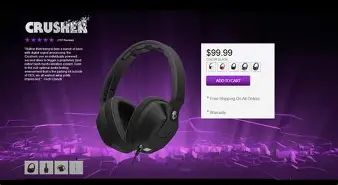
The Crusher 2014 was designed with a particular audience in mind: listeners who enjoy low-frequency impact more than a flat, reference sound. On the surface, it is an over-ear headset with conspicuous bass. Below the surface, it incorporates user-adjustable elements and physical design choices that create a strong, participatory listening experience rather than an analytical one. The rest of this article explores five hidden features that differentiate it from both mainstream consumer headphones and studio monitors.
5 Hidden Features — Deep Dive
1. Adjustable Sensory Bass (Mechanical Bass Control)
One of the Crusher 2014’s most talked-about but often misunderstood features is its adjustable bass mechanism. Instead of relying purely on electronic equalization, the Crusher integrates a mechanical «sensory» bass control that alters the force and tactile feedback delivered to the listener. This allows the wearer to vary from a restrained bass response to a physically assertive low end.
Real-world use case: For movie nights, users can increase the sensory bass to feel explosions and low-frequency effects, which adds immersion without needing an external subwoofer. For everyday music listening or commuting, dialing the bass down produces a more balanced experience and reduces fatigue.
What buyers care about: How intuitive the control feels, whether the bass adjustment introduces distortion at high settings, and whether the tactile feedback remains comfortable during long listening sessions. Owners typically find that moderate settings offer the best balance between impact and clarity.
2. Tactile Coupling That Affects Perceived Loudness
Because the Crusher 2014 couples low frequencies into the earcup structure, listeners often perceive tracks as louder and fuller even at lower volume levels. This is not purely psychoacoustics: the physical sensation of bass creates a perception of power that broader frequency boosts sometimes fail to achieve.
Real-world use case: In shared living spaces, listeners can enjoy a sense of «big» sound without pushing the headphone volume so high that it leaks excessively. Similarly, gamers using the Crusher report better situational awareness for deep, rumbling in-game events without needing louder overall levels.
What buyers care about: Whether the tactile coupling comes at the expense of clarity or causes listener fatigue over time. Practical advice: pair the Crusher with a conservative EQ and lower master volume to preserve detail while still enjoying the perceptual loudness advantage.
3. Passive Isolation and Leakage Characteristics
At first glance the Crusher 2014 looks like many closed-back over-ear models, but its earcup geometry and padding provide a unique balance of isolation and leakage. The design tends to trap low-frequency energy inside the cup more effectively than some competitors, which is why bass feels so impactful to the wearer. However, at very high volumes the combination of bass coupling and open seams around the earcup can produce noticeable leakage.
Real-world use case: Commuters and shared-space users who worry about disturbing others will find the Crusher usable at moderate to high levels, but should be cautious in very quiet environments such as libraries. Producers or critical listeners seeking tight isolation for mixing will likely prefer a different class of headphones.
Find top-rated Audio & Headphones products at great prices.
Browse Now →What buyers care about: Comfort during long sessions and how much sound bleeds to the outside. Practical tip: use lower sensory bass settings when in public to reduce both perceived loudness and leakage.
4. Simple, Durable Mechanical Controls
Unlike many modern headphones that hide functionality behind mobile apps or touch-sensitive controls, the Crusher 2014 opts for straightforward mechanical switches and sliders. That makes in-situ adjustments easy — users can change bass character or volume without looking at a screen. It also means fewer software dependencies and a simpler long-term maintenance profile.
Real-world use case: During a long flight or while playing a console game, being able to reach down and adjust the bass instantly is a convenience that many users appreciate. Similarly, the mechanical controls tend to survive rougher handling better than delicate touch interfaces.
What buyers care about: Reliability and the tactile feedback of controls. On the Crusher, the mechanical controls are intuitive and durable, although they add marginally to weight compared with more minimal designs.
5. Modifiability and Aftermarket Comfort Upgrades
Because the Crusher 2014’s ear cushions and headband padding follow common dimensions, many owners find it easy to replace or upgrade those parts for improved comfort or longevity. That modifiability is a hidden advantage: rather than being locked into factory pads, users can choose denser memory foam, cooling fabrics, or leather alternatives depending on personal preference.
Real-world use case: Users who experience heat buildup during long sessions can swap to breathable velour pads. Those who want reduced sound leakage and better isolation can choose thicker pads. This means the Crusher can evolve with the user’s needs rather than being a fixed endpoint.
What buyers care about: Replacement part availability and the ease of swapping cushions. The Crusher 2014 is forgiving in this area, and a small investment in aftermarket pads can significantly change comfort and sonic characteristics.
Detailed Product Review / Analysis
Appearance and build: The Crusher 2014 is visually assertive — substantial earcups, a thick headband, and tactile controls. Materials lean toward durable plastics and synthetic leather, which keeps costs down while retaining adequate longevity for daily use. The mechanical controls and visible hardware suggest a product designed to be handled and adjusted frequently.
Sound signature: The defining trait is the sub-bass emphasis. At low to moderate sensory settings the headphones deliver a weighty but musical low end; at higher settings they become an intentionally dramatic listening device. Mids are present but can be masked by aggressive bass in dense mixes, and highs are serviceable but not the focal point. For genres that benefit from rhythmic bass — electronic, hip-hop, action films — the Crusher excels. For acoustic, classical, or mixing work, it will feel colored.
Comfort and fit: The clamp force is moderate and the earcups are large enough for most ears. Long sessions are generally comfortable after swapping to preferred pads if needed. The headband provides decent pressure distribution, though some listeners with smaller heads might prefer lighter clamp force.
Connectivity and compatibility: The 3.5 mm wired connection is broadly compatible with phones, laptops, game controllers, and flight adapters. No app dependencies or firmware are required — everything is controlled physically. That simplicity is a plus for users who favor plug-and-play behavior.
Durability and repairability: The Crusher’s mechanical controls and replaceable pads make it easier to keep working beyond typical wear-and-tear. While it is not built like a studio reference headphone, it offers a pragmatic mix of robustness and maintainability that appeals to everyday users.
Shop the latest Audio & Headphones picks on Amazon.
See Deals →Pros & Cons
- Pros:
- Powerful tactile bass that adds immersion for movies and games
- Adjustable mechanical controls make real-time tuning simple and reliable
- Perceptual loudness — feels fuller at lower volumes
- Replaceable pads allow comfort customization
- Robust, no-app design suitable for low-tech setups
- Cons:
- Colored sound signature — not suitable for critical listening or mixing
- Potential leakage at very high volumes
- Heavy emphasis on bass may mask detail in mids and highs
- Less refinement compared to neutral or studio-class headphones
Comparison Table
| Feature | Crusher 2014 | Typical Bass-Heavy Consumer Headphones | Balanced/Studio Headphones |
|---|---|---|---|
| Bass Control | Mechanical sensory bass slider — tactile, immediate | Software EQ or fixed bass boost — less tactile | Minimal bass boost — accurate response |
| Perceived Loudness | High — tactile coupling increases perceived power | Moderate to high — depends on tuning | Lower — requires actual level increase for same fullness |
| Isolation | Good for low frequencies; variable at highs | Varies widely; often moderate | Typically good for isolation in closed-back designs |
| Use Case | Movies, gaming, bass-forward music | Casual listening, workouts | Critical listening, mixing, reference monitoring |
| Replaceable Parts | Yes — common-size pads and headband components | Depends on model | Often yes — designed for maintenance |
| Controls | Mechanical — simple and durable | Mixed — app-driven or inline remotes | Physical — minimal controls, focus on fidelity |
Buying Guide: What to Consider
1. Intended Use
Buyers should start by specifying the primary use case. If the goal is immersive gaming or cinematic listening — where physical bass sensations enhance enjoyment — the Crusher’s strengths align. For music production, mastering, or objective listening, the Crusher’s pronounced low end will be a liability.
2. Listening Environment
Consider whether sound leakage is a concern. In apartments or quiet offices, heavy bass at high volumes can disturb neighbors. The Crusher can be used responsibly in shared spaces by keeping the sensory bass at moderate levels and overall volume controlled.
3. Comfort and Session Length
Long listening sessions expose weaknesses in padding and clamp force. Buyers who plan multi-hour uses should budget for replacement pads or test different cushion materials if possible. The Crusher’s modifiability is an asset here.
4. Device Compatibility
Check connectivity needs: the Crusher 2014 is a plug-and-play wired headphone. Buyers using modern mobile devices without a headphone jack will need an adapter. For console gamers, make sure the headset is compatible with controller jacks or that a compatible cable is available.
5. Sound Preferences and EQ
If a user prefers a flat or neutral signature, consider whether software EQ or the Crusher’s bass slider can reasonably reach that goal. For many buyers, an in-person audition or listening to representative tracks will reveal whether the signature matches their taste.
6. Upgrade Path and Maintenance
Factor in the availability of replacement pads, cables, and service guides. Users who want a headphone that can be improved over time should choose models where parts are readily swappable.
7. Budget and Value
Compare the Crusher to similarly priced alternatives focusing on whether the tactile bass feature provides unique value. For buyers prioritizing sensory involvement over absolute accuracy, the Crusher can represent strong value. For those who value neutrality, reallocating budget to a balanced model will be wiser.
Practical Tips to Get the Most from the Crusher 2014
- Start with the sensory bass slider at mid-position and adjust up for scenes with intentional low-frequency content (action films, bass-heavy tracks) and down for speech-heavy media or acoustic music.
- Use a light hand with EQ — the Crusher’s mechanical boost can hide midrange details; modest shelving rather than aggressive boosts preserves clarity.
- Swap to breathable pads for long sessions if heat buildup becomes an issue; this change often improves comfort without sacrificing bass.
- When using in public or shared spaces, lower both the slider and master volume to reduce leakage and preserve hearing health.
- For gaming, pair the Crusher with in-game audio settings that emphasize directional cues rather than blanket bass boosts to maintain situational awareness.
Conclusion
The Crusher 2014 is not a neutral studio tool — it is a personality-driven headphone built to be felt as much as heard. Its hidden strengths lie in the ways its mechanical bass control, tactile coupling, and practical design choices shape real-world listening experiences. For buyers who prioritize immersive movies, rhythm-forward music, and tactile engagement, understanding these five features — adjustable sensory bass, tactile loudness, unique isolation/leakage traits, mechanical controls, and modifiability — will make the Crusher a compelling option.
Conversely, those who need clinical accuracy or low leakage for critical work should look elsewhere. Ultimately, the Crusher 2014 rewards listeners who accept a deliberate coloration in exchange for a visceral, immediate audio experience — and once those hidden features are understood, owners can tune the headset to match contexts ranging from late-night movie sessions to long gaming marathons.