5 Hidden Features of the Puma Fast R Nitro Elite 3 You Must Know About
The landscape of high-performance footwear has shifted dramatically over the last decade, moving from simple foam structures to complex, multi-component engineering marvels. Within this competitive arena, the Puma Fast R Nitro Elite 3 has emerged as a focal point for those interested in the intersection of bio-mechanical efficiency and high-end material science. While most consumers focus on the striking aesthetics and the decoupled midsole design, there are several "hidden" engineering choices and functional characteristics that define the performance profile of this shoe. Understanding these nuances is essential for anyone looking to maximize their investment in elite-tier equipment.
As the successor to the original Fast R, the third iteration (often referred to within internal performance circles as the v2 or Gen 3 depending on regional naming conventions) represents a refinement of radical concepts. It is designed specifically for the marathon distance and high-intensity tempo efforts, providing a sensory experience that differs significantly from the more traditional "monolithic" supershoes produced by competitors. This article delves into the technical sub-strata of the shoe, exploring the features that often go unnoticed during a cursory glance at the spec sheet.
Detailed Product Analysis: The Architecture of Speed
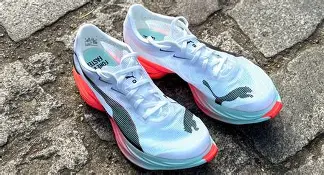
The Fast R Nitro Elite 3 is characterized by its aggressive geometry and the use of proprietary NITRO Elite foam, which is an aliphatic TPU infused with nitrogen. This process results in a material that is significantly lighter and more responsive than standard EVA or basic Pebax blends. However, the brilliance of the shoe lies not just in the foam itself, but in the structural relationship between the forefoot and the heel. These two sections are essentially independent, joined only by an exposed carbon fiber plate that acts as the "bridge" and the primary energy return mechanism.
In real-world use cases, this decoupled design allows for a unique transition. Many runners find that traditional supershoes can feel "slappy" if their foot strike isn't perfectly aligned with the shoe's intended rocker. The Fast R 3 mitigates this by allowing the rearfoot to stabilize independently before the energy is transferred through the plate to the forefoot for the final toe-off. This is particularly beneficial in the later stages of a marathon when form begins to degrade and a runner may shift from a midfoot to a more heel-heavy strike due to fatigue.
1. The Variable-Density Ultraweave Upper
One of the most overlooked features is the sophisticated construction of the Ultraweave upper. To the naked eye, it appears to be a single piece of thin fabric. In reality, the engineers have employed variable-density knitting zones. In the medial side of the midfoot, the weave is tighter to provide structural integrity and prevent internal foot slippage during cornering. Conversely, the zones over the metatarsals are significantly more porous to facilitate maximum heat dissipation.
Buyers typically care about "hot spots" and blisters during long efforts. The hidden benefit here is the integration of PWRTAPE, which isn't just a decorative overlay. It is strategically placed based on gait analysis to reinforce the areas of the foot that undergo the most pressure during the transition phase. This eliminates the need for bulky internal reinforcements, keeping the weight remarkably low while maintaining a lockdown feel that rivals track spikes.
2. The Optimized "C-Plate" Geometry
While every elite shoe has a carbon plate, the Fast R Nitro Elite 3 utilizes a proprietary "C" shape that is visible in the midfoot gap. What is hidden from a basic description is how the plate's stiffness is tuned differently across the width of the shoe. The lateral side of the plate possesses a slight degree of torsional flex, whereas the medial side is strictly rigid. This design choice compensates for the natural pronation of the human foot.
By allowing a tiny amount of flex on the outside, the shoe guides the foot toward a more neutral toe-off position. This "hidden" stability feature makes the shoe surprisingly accessible to runners who might otherwise find carbon-plated shoes too unstable for their specific mechanics. It transforms the energy return from a simple vertical bounce into a directed forward projection.
Find top-rated Electronics products at great prices.
See Deals →3. Aliphatic TPU and Heat Management
NITRO Elite foam is an aliphatic TPU. The "hidden" advantage of this specific chemical structure is its thermal stability. Standard supercritical foams can become significantly firmer in cold weather and excessively soft in high heat. The Fast R 3 maintains a consistent durometer reading across a vast temperature range. For a runner competing in a World Major Marathon where early morning start temperatures differ greatly from the finish line temperatures, this consistency is a massive performance advantage.
Furthermore, the decoupling of the midsole creates an air channel. As the foot moves through the gait cycle, the compression and expansion of the foam, combined with the physical gap, creates a bellows-like effect, pumping air around the bottom of the foot. This is a functional aspect of the architecture that significantly reduces the temperature of the sock-liner interface during high-intensity efforts.
4. The PUMAGRIP-LT Compound Integration
While PUMAGRIP is well-known for its class-leading traction, the "LT" (Light) version used on the Fast R 3 features a thinner profile than what is found on daily trainers. The hidden feature here is the lug orientation. If you examine the forefoot closely, the lugs are not uniform; they are angled specifically to provide "bite" on the push-off phase while maintaining a smooth surface for the initial contact. This ensures that even on wet tarmac or during sharp turns on a city course, there is zero energy loss through micro-slippage.
Efficiency in a marathon is measured in millimeters and milliseconds. By ensuring that 100% of the force generated is translated into forward motion without the outsole sliding, the shoe effectively saves the runner several hundred meters of "wasted" distance over the course of 26.2 miles.
5. Advanced Heel-to-Toe Drop Equilibrium
On paper, the shoe lists a specific drop (typically around 8mm), but because of the decoupled nature, the "dynamic drop" varies. When the heel is loaded, the plate acts as a lever, effectively increasing the perceived drop to facilitate a more aggressive forward roll. As the runner transitions to the forefoot, the drop stabilizes, providing a firm platform for the final push. This dynamic adjustment is part of what makes the shoe feel like it is "pulling" the runner forward, a sensation frequently cited by elite athletes but rarely explained in technical terms.
Pros and Cons
- Pro: Exceptional Energy Return – The combination of the Aliphatic TPU foam and the carbon plate provides one of the highest energy return percentages currently available in the consumer market.
- Pro: Breathability – The Ultraweave upper combined with the midfoot gap ensures the foot remains cool even during summer racing conditions.
- Pro: Traction – PUMAGRIP-LT remains the gold standard for outsole rubber, providing confidence on various road surfaces and weather conditions.
- Pro: Dynamic Stability – The tuned carbon plate offers a guided transition that is less punishing than traditional "flat" plates.
- Con: Aggressive Geometry – The look and feel are polarizing; it is a shoe designed for racing and may feel awkward at slower recovery paces.
- Con: Price Point – As an elite performance tool, it carries a premium price that reflects the high-cost materials and complex manufacturing.
- Con: Durability Limits – Like all supershoes, the foam is optimized for performance over longevity, meaning it has a shorter effective lifespan than a daily trainer.
Technical Comparison: Fast R 3 vs. Industry Standards
| Feature | Puma Fast R Nitro Elite 3 | Traditional Supershoe | Performance Daily Trainer |
|---|---|---|---|
| Midsole Design | Decoupled / Two-Piece | Single Block / Monolithic | Single Block / Solid |
| Foam Type | Supercritical Aliphatic TPU | PEBAX / Supercritical EVA | Standard EVA / TPU Blend |
| Plate Material | Tuned Carbon Fiber (C-Shape) | Standard Carbon Fiber (S-Shape) | Nylon or No Plate |
| Upper Material | Ultraweave (Variable Density) | Engineered Mesh / Vaporweave | Thick Knit / Multi-layer Mesh |
| Outsole Grip | PUMAGRIP-LT (High Traction) | Minimalist Rubber Patches | Full Coverage Heavy Rubber |
Buying Guide: Is the Fast R Nitro Elite 3 Right for You?
When selecting a shoe in this category, it is important to match the tool to the task. The Puma Fast R Nitro Elite 3 is not a "one-size-fits-all" solution, nor is it intended to be a primary trainer for everyday miles. To determine if this shoe fits your needs, consider the following criteria centered around biology, intent, and environment.
Assess Your Gait and Strike Pattern
Because of the decoupled heel and forefoot, this shoe is exceptionally rewarding for midfoot and forefoot strikers. If you are a heavy heel striker, you will still benefit from the foam's dampening properties, but you may find the transition onto the plate feels more pronounced than in a continuous-midsole shoe. Runners who prefer a "natural" feel should be aware that the aggressive rocker will dictate your foot movement to a certain degree.
Looking for the best Electronics deals on Amazon?
Browse Now →Consider the Distance
While promoted as a marathon shoe, the Fast R 3 is also an incredible weapon for 10K and Half Marathon distances. Its lightweight nature makes it nimble enough for shorter spurts, while the high stack of Nitro Elite foam provides the protection needed for the 20-mile mark of a full marathon. If your primary goal is 5K racing, you might prefer a lower stack height, but for anything longer, the Fast R 3 excels.
Fit and Sizing Considerations
The Ultraweave upper is built for a "race fit." This means it holds the foot very securely with minimal stretch. Prospective buyers with very wide feet should test the shoe with their intended racing socks, as the midfoot lockdown is uncompromising. Most users find that it runs true-to-size in terms of length, but the volume is lower than a standard trainer to ensure there is no internal movement at high speeds.
Environmental Use
If you frequently race in areas with unpredictable weather or many sharp turns, the PUMAGRIP outsole makes this one of the smartest choices on the market. Unlike many competitors that use smooth, slick outsoles to save weight, Puma has prioritized actual road holding, which can prevent injury and maintain pace consistency in the rain.
Conclusion
The Puma Fast R Nitro Elite 3 is a testament to the fact that there is still room for radical innovation in the world of performance footwear. By moving away from the standard "foamy wedge" design and embracing a decoupled, bio-mechanically tuned architecture, Puma has created a shoe that offers more than just raw bounce. It provides a nuanced, directed, and thermally stable racing experience.
The "hidden" features—the variable density upper, the tuned C-plate, the bellows-effect cooling, and the thermal consistency of the aliphatic foam—work in concert to solve the specific problems that elite and competitive amateur runners face. While the aesthetic might be what draws you in, it is the sophisticated engineering buried within the Nitro Elite foam and the carbon structure that will ultimately assist you in achieving a new personal best. As the industry continues to evolve, the Fast R 3 remains a benchmark for how specialized technology can be integrated into a functional, high-speed tool for the modern athlete.