Biggest Eg9600 Oled Buying Mistakes (And How to Avoid Them)
The Eg9600 Oled has attracted attention for its promise of deep blacks, wide viewing angles, and cinematic color reproduction. For buyers moving from LCD or seeking an all‑round living‑room centerpiece, it can be a compelling choice. Yet several common mistakes consistently lead to disappointment after purchase. This article outlines the largest missteps people make when buying an Eg9600 Oled and provides practical, real‑world advice on how to avoid them.
Introduction: Why the Eg9600 Oled is a popular—but nuanced—choice
OLED panels like the Eg9600 deliver picture attributes that are hard to match with LED/LCD sets: perfect black levels, high contrast, and natural-looking colors. Those strengths make OLEDs excellent for movie lovers and anyone who values image fidelity. But OLED technology has tradeoffs—brightness in bright rooms, perceived motion characteristics, and the long‑term risk of burn‑in are common considerations. Understanding those tradeoffs in the context of how one watches TV, the viewing environment, and the setup is key to a satisfying purchase.
Detailed product review and analysis
Design and build
The Eg9600 Oled typically arrives with a slim profile and a minimal bezel that emphasizes the picture. Its thin panel makes wall mounting attractive and space‑efficient. Buyers should note the stand options and the clearance for soundbars—thin frames can limit placement choices for external audio gear. The remote control design and physical buttons are small but serviceable; voice assistant integration is often included in its smart platform, which helps with hands‑free navigation.
Picture quality
Where the Eg9600 excels is contrast. With self‑emissive pixels, black is truly black, which produces exceptional perceived contrast and detail in shadowy scenes. Colors are generally vivid but accurate; however, color tuning and out‑of‑the‑box calibration can vary between units. For users who prioritize cinematic image quality, the Eg9600 is typically a strong contender.
HDR and brightness considerations
OLEDs historically lag LED/LCD in sustained peak brightness, which affects HDR highlights and performance in very bright rooms. The Eg9600 usually performs very well for HDR content in moderate lighting—bright specular highlights and tone mapping are convincing—but buyers who watch primarily in daylight or in rooms with large windows should assess peak brightness and anti‑reflective coating carefully. When HDR mapping is conservative, highlights can look clipped; conversely, aggressive tone mapping can wash out midtones. Firmware updates and picture mode selection (e.g., Cinema, ISF, Filmmaker Mode) influence results significantly.
Motion handling and gaming
OLED panels respond quickly, giving smooth motion for fast action and gaming. Input lag and support for variable refresh rate standards are major concerns for gamers. The Eg9600 generally offers competitive input lag for console play, but buyers should verify exact specifications (refresh rates, VRR, ALLM) for their gaming platform. For PC users interested in high refresh rates, confirm the native panel refresh and the performance of the HDMI ports under gaming modes.
Sound and smart features
On‑board speakers on thin OLEDs are often limited by enclosure volume. The Eg9600's speakers can be good for casual viewing but will not replace a soundbar or AV receiver for immersive sound. Its smart TV platform typically includes major streaming apps, app updates, and voice assistants. Buyers should check the platform's responsiveness and app library, especially in regions where some services may not be fully supported.
Longevity, warranty, and service
One of the most discussed aspects of OLED ownership is burn‑in risk—permanent retention of static images. The risk exists for all OLEDs, but it is greatly reduced with typical mixed content viewing and manufacturer mitigation features (pixel shifting, screen savers, logo luminance limiting). Warranty terms and panel replacement policies vary between manufacturers and regions, so buyers should review included coverage for image retention and panel defects before purchase.
Pros & Cons
- Pros
- Deep blacks and excellent contrast for cinematic viewing
- Wide viewing angles without color shift
- Fast pixel response benefits motion clarity and gaming
- Thin, attractive design makes for easy wall mounting
- Generally accurate colors and good HDR tone mapping in dark/controlled rooms
- Cons
- Lower sustained peak brightness compared with high‑end LED/mini‑LEDs
- Potential for burn‑in with prolonged static content exposure
- On‑board speakers typically insufficient for full cinematic audio
- Price can be premium compared with LED/LCD alternatives
- Reflective screens may struggle in very bright rooms unless anti‑reflective treatment is effective
Common buying mistakes and how to avoid them
Mistake 1 — Choosing the wrong screen size for the viewing distance
Many buyers equate "bigger is better" and end up with a set too large for their distance, which affects perceived sharpness and comfort. The Eg9600's detail and contrast reward appropriately sized viewing setups. Measure the primary viewing distance and use a size guide: for 4K content, viewers can sit closer than for 1080p, but the ideal screen size still depends on room geometry and seating. If unsure, visit a showroom or use augmented reality tools provided by some retailers to visualize size at home (without purchasing links).
Mistake 2 — Ignoring room lighting and reflection control
OLED’s contrast advantage is most visible in controlled lighting. Buying an Eg9600 for a sunlit living room without accounting for glare can negate its strengths. Avoid placement facing large windows, or invest in window treatments and placement strategies that reduce reflections. Check the model’s anti‑reflective coating performance; a good coating makes a noticeable difference in bright rooms.
Find top-rated TVs & Home Theater products at great prices.
View Offers →Mistake 3 — Overlooking burn‑in mitigation and usage habits
Concerns about burn‑in can scare buyers away or lead to misuse. The better approach is to understand realistic risk and to adopt habits that reduce it: avoid prolonged static UI elements at full brightness (like news tickers and persistent network logos); use the TV’s screen savers and pixel shift features; and vary content. Verify the manufacturer’s guidance and warranty coverage for image retention before buying.
Mistake 4 — Assuming out‑of‑box picture settings are ideal
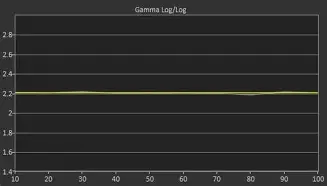
Many TVs ship in bright, vivid modes that appeal on the showroom floor but are inaccurate for home viewing. The Eg9600 will benefit from switching to a neutral picture mode (Cinema/Filmmaker/ISF) and adjusting basic settings (brightness, contrast, motion smoothing off for film). For owners who want the best color accuracy, a professional calibration or a reputable calibration guide can make a significant improvement.
Mistake 5 — Neglecting connectivity needs
Buyers often overlook the number and type of inputs. Gamers need at least one HDMI port with the required features (bandwidth, VRR, 4K@120Hz). Households using soundbars should confirm HDMI eARC support for advanced audio formats. Check port placement to ensure cables and streaming devices fit comfortably when wall mounted.
Mistake 6 — Underestimating audio requirements
Assuming the built‑in speakers will deliver cinematic audio is a common error. Pairing the Eg9600 with an external audio solution—soundbar, AVR, or dedicated speaker system—often transforms the experience. Make room in the budget for audio and plan the physical layout accordingly.
Mistake 7 — Skipping firmware and update checks
Smart TV platforms evolve, and features can improve or degrade with updates. Before finalizing a purchase, consider the manufacturer’s history of software support and the update cadence. A responsive update policy can fix bugs and improve HDR performance or platform speed over the life of the TV.
Comparison: Eg9600 Oled vs. competing panel types
| Feature | Eg9600 Oled | Typical Flagship Mini‑LED/LCD | Mid‑Tier LED/LCD |
|---|---|---|---|
| Black Levels | Excellent — true black from self‑emissive pixels | Very good — local dimming improves blacks | Good — limited contrast without advanced local dimming |
| Peak Brightness (HDR) | Moderate — excellent for controlled rooms | High — excels in bright rooms and specular highlights | Moderate to low |
| Viewing Angles | Wide — minimal color shift | Improved, but some color shift off‑axis | Noticeable color and contrast shift off‑axis |
| Risk of Burn‑In | Present — mitigated with responsible use | Minimal — backlight technology avoids pixel retention | Minimal |
| Gaming Features | Strong — fast response, check HDMI spec | Strong — often high brightness + HDMI bandwidth | Varies — may lack advanced gaming features |
| Price | Premium | Premium to very premium | Budget to midrange |
Buying guide: How to choose the right Eg9600 Oled for your needs
1. Establish viewing habits and priorities
Is the TV primarily for late‑night movie sessions, daytime sports, console gaming, or a mix? For dedicated home theater use, prioritize contrast and color accuracy. For bright living rooms, factor in ambient light and consider whether an OLED is the best fit vs. a high‑end mini‑LED. For gamers, verify refresh rate, input lag, and VRR support.
2. Measure viewing distance and choose screen size
Measure the distance from primary seating to the screen and use it to pick a size where 4K resolution appears detailed without forcing neck movement. For cinematic immersion in a dark room, a larger size pays off; in a small apartment, a modest size will preserve clarity.
3. Check connectivity and ports
Confirm the number of HDMI inputs and the supported specifications of at least one port for high bandwidth devices. If using a soundbar or AV receiver, verify eARC support. Take into account cable routing and whether ports are side or rear mounted for wall installs.
4. Understand warranty and service
Read the warranty for panel defects and image retention coverage. Some manufacturers offer extended panel warranties or replacement options for early burn‑in—knowing the terms provides peace of mind. Also consider the availability of local service centers for repairs.
5. Plan for audio
Decide on an audio plan before purchase. A compact living room may be satisfied with a two‑channel soundbar, while a home theater benefits from a dedicated AVR and speaker system. Check the TV’s audio passthrough features for compatibility with surround formats.
Find top-rated TVs & Home Theater products at great prices.
See Deals →6. Prepare the room
Plan placement to minimize glare and reflection. If mounting on a wall, confirm VESA patterns and clearance for cables and accessories. Consider furniture and speaker placement to avoid obstructing airflow or sound paths.
7. Try before committing
If possible, view the Eg9600 in a setting that approximates the intended room. Observe SDR and HDR content, motion sequences, and interface elements. Bring real content you watch often—news channels, sports clips, streaming shows—to see how the TV handles the material you care about.
8. Look beyond specs—readability and software
Smart platform responsiveness, remote ergonomics, and on‑screen menus matter in daily use. A slick interface improves the experience as much as raw picture specs. Check reviews or hands‑on impressions that note platform speed and app availability.
Real‑world use cases and practical tips
For movie enthusiasts who watch in dim rooms: the Eg9600’s perfect black levels and accurate colors make it ideal—choose a larger screen, disable aggressive motion smoothing, and consider professional calibration for the best results.
For sports and living‑room TV: if the room is bright, mitigate reflections with blinds or choose a viewing position that avoids direct sunlight. The Eg9600 will still produce excellent motion resolution, but perceived contrast may be reduced by ambient light.
For console gamers: pair the Eg9600 with a system that supports 4K@120Hz (if the TV supports it) and enable low‑latency or game mode. Keep firmware updated and verify port capability so features like VRR and ALLM work as intended.
For multi‑purpose households (news, daytime TV, streaming channels with static logos): keep brightness moderate for static UI elements, enable pixel protection features if the TV includes them, and use a screen saver when the TV sits idle with menus or guides displayed.
Conclusion
The Eg9600 Oled can be a transformative centerpiece for a home viewing setup when chosen and used with awareness of its strengths and limitations. The biggest buying mistakes stem from mismatched expectations—size, room lighting, usage patterns, and neglecting audio or connectivity needs. By measuring viewing distance, planning for ambient light, checking ports and warranty terms, and adopting sensible usage habits to reduce burn‑in risk, buyers can enjoy the deep blacks and lifelike imagery OLED panels provide. Thoughtful preparation and realistic expectations turn the Eg9600 from a tempting specification sheet into a rewarding long‑term investment in picture quality.