Blind Test: Keychron Q6 He 8K vs Gravastar Mercury K1 - Which is Actually Better?
Category: Laptops
Introduction
Mechanical keyboards have become a central purchase consideration for many laptop and desktop users who value typing comfort, durability, and personalization. Two products that often appear on shortlists for enthusiasts and professionals are the Keychron Q6 He 8K and the Gravastar Mercury K1. Both take very different design approaches: one emphasizes a premium, workshop-grade typing platform with deep customization, while the other prioritizes unique styling and a compact, lifestyle-friendly experience.
This article presents a detailed, third-person editorial comparison and blind-test style analysis of both models. The goal is to help buyers who care about build quality, sound profile, programmability, portability, and everyday use — including writing, coding, content creation, and mixed laptop/desktop workflows — decide which keyboard better suits their needs.
Overview of the Two Keyboards
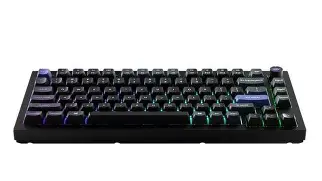
Keychron Q6 He 8K markets itself as a premium, desk-first mechanical keyboard. The design language focuses on solidity: thick case materials, an emphasis on acoustic tuning, and firmware that enables deep remapping and macros. It generally targets enthusiasts who want a heavy, stable typing platform to complement a workstation.
Gravastar Mercury K1 brings a visually distinctive aesthetic, often with sculpted housings and eye-catching finishes. It targets buyers who want a conversation-starting keyboard that also performs in daily tasks. The Mercury K1 tends to appeal to those who balance style with function and may favor portability or wireless convenience alongside pleasing sound and look.
Design & Build Quality
Build quality is one of the first things buyers notice during a blind test. The Keychron Q6 He 8K leans into a substantial, industrial feel: thicker case walls, often full-metal internals or heavy aluminum top plates, and a focus on weight that reduces desk movement during intense typing sessions. The case construction supports acoustic dampening with pre-installed foam and attention given to stabilizer mounting and plate flex. These choices create a feeling of permanence and durability that compliments a stationary desktop setup.
The Gravastar Mercury K1 takes a different path. Visual design is as much a priority as tactile performance, with sculpted shells and finishes that read as futuristic. The chassis tends to be lighter than heavy-duty aluminum boards, using composite materials or a mixed metal-acrylic approach. This makes the Mercury K1 easier to reposition or take between workspaces. The design intention is clear: combine aesthetics with acceptable structural integrity without being unreasonably heavy.
Real-world implications
- For a writer or developer who spends hours at a desk, the Keychron’s heavier construction feels reassuring and reduces wobble during typing-intensive sessions.
- For a creative professional who moves between meetings, cafés, and home offices, the Gravastar’s lighter, distinctive shell is more convenient and visually expressive.
Typing Experience: Feel and Feedback
Typing on either keyboard reveals how differently they were tuned. The Keychron Q6 He 8K is engineered to offer a deep, thock-forward sound with minimal high-frequency chatter. Its likely heavier plate and dense case materials, combined with internal foam and possibly gasket or tray mounting, produce a dampened, rich sound that many typists describe as "solid" or "meaty." The primary advantage is a consistent tactile experience that suits long typing sessions and detailed work.
The Gravastar Mercury K1 aims for a balanced, lively profile with a bit more midrange character. The emphasis is on a satisfying keypress that remains musical without being overly boomy. Users who prefer an immediately engaging sound with more note-like qualities will gravitate toward the Mercury K1. The key travel and switch options (depending on the model) contribute to a snappier feel compared with the Keychron's weightier presence.
Real-world implications
- Content creators and editors who prioritize a low-fatigue typing surface will often prefer the Keychron’s muted, stable feedback.
- Gamers and designers who like bouncier, more audible keypresses may find the Mercury K1 more stimulating and responsive.
Switches, Keycaps, and Customization
Customization is where the Keychron typically shines. The Q-series from Keychron has been associated with hot-swap or solder-friendly PCBs, and full firmware support enabling key remapping and macro programming. The Q6 He 8K is designed with the enthusiast in mind: it usually supports a wide selection of switches, PBT keycaps on some variants, and universal compatibility with aftermarket keycap sets. These features make it straightforward for buyers to tailor the keyboard to a precise tactile profile.
Discover deals on Laptops & Computers — updated daily.
See Deals →The Gravastar Mercury K1 also offers switch options but historically places less emphasis on extensive aftermarket modification. Its OEM keycap profiles and integrated aesthetic sometimes limit the compatibility with some bulky artisan keycaps or high-profile sets. That said, many users will find the default keycaps and switch pairings to be well-chosen for the keyboard’s intended audience.
Real-world implications
- Enthusiasts who plan to swap switches, lube stabilizers, and experiment with sound mods will have an easier time with the Keychron.
- Buyers who want an attractive, ready-to-use keyboard out of the box with minimal tinkering will appreciate the Mercury K1’s curated setup.
Firmware, Software, and Programmability
Programmability matters for power users who rely on layer switching, macros, or full key remapping. The Keychron Q6 He 8K typically supports community-oriented firmware like QMK or VIA, enabling on-the-fly remapping and profile switching. This makes it well-suited for complex workflows: custom shortcuts for coding, multi-media macros for content editing, and multiple layers for game bindings.
The Gravastar Mercury K1 usually prioritizes a simpler configuration path. It can offer on-board shortcuts and straightforward key combination remapping, but deep firmware-level customization may be limited compared with the Keychron. For users whose workflows require complex macro chains or persistent multi-layer setups, the Keychron’s programmability is a decisive advantage.
Connectivity & Daily Practicality
Connectivity expectations differ across buyer profiles. A desk-centered user values a reliable wired connection, low latency, and stable power delivery, all of which the Keychron is often optimized for. If wireless features are present, they tend to be secondary and may trade off some features for battery life or Bluetooth convenience.
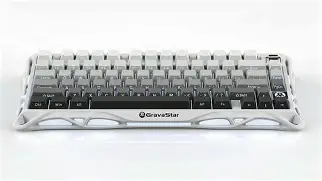
The Gravastar Mercury K1 commonly emphasizes lifestyle functionality, including easier switching between devices and potentially wireless modes. This makes it a strong companion for laptop users who move between workstations. Battery life, reconnection behavior, and multi-device pairing are practical considerations here: they determine how smoothly a keyboard integrates into a mobile workflow.
Real-world implications
- Remote workers who plug a keyboard into a docked laptop every day may prefer the Keychron’s stable wired orientation.
- Hybrid workers who alternate between a laptop and tablet will value Gravastar’s potentially simpler cross-device support.
Sound and Acoustics
Sound is subjective, but its importance is often underestimated until users try both keyboards in sequence. The Keychron Q6 He 8K is usually tuned toward a low-frequency, cushioned "thock" that reduces fatigue and creates a premium auditory experience at a desk. Acoustic foam, plate selection, and stabilizer prep play important roles here.
The Gravastar Mercury K1 tends toward a brighter, more pronounced timbre, giving audible feedback that some find energizing. This can be desirable in lively environments or for users who rely on clear audio cues while typing.
Pros & Cons
Keychron Q6 He 8K
- Pros: Robust, stable build; deep, well-damped acoustic profile; strong programmer/enthusiast firmware support; excellent for long typing sessions and fixed desk setups.
- Cons: Heavier and less portable; may be overbuilt for casual users; out-of-the-box sound may require minimal tuning to match personal taste.
Gravastar Mercury K1
- Pros: Distinctive design; lively and musical sound; lighter and easier to move between workspaces; well-suited to style-conscious users and casual customization.
- Cons: Less emphasis on heavy-duty customization; may not satisfy enthusiasts who want full hot-swap compatibility or deep firmware customization; some finishes attract fingerprints or surface wear faster.
Direct Comparison Table
| Feature | Keychron Q6 He 8K | Gravastar Mercury K1 |
|---|---|---|
| Target user | Desk-centric enthusiasts, professionals who value durability and customization | Style-conscious users, hybrid workers who value portability and design |
| Build | Heavier, dense materials; acoustic tuning focus | Light-to-moderate weight; sculpted, eye-catching shell |
| Typing sound | Muted, deep "thock" | Brighter, more musical note |
| Customization | Extensive (firmware & hardware friendly) | Moderate (good defaults, limited deep modding) |
| Portability | Lower (heavy, best for fixed desk) | Higher (lighter, easier to transport) |
| Software/Firmware | Advanced options, remapping, macros | Basic on-board options and simplified remapping |
| Use cases | Coding, long-form writing, studio work | On-the-go productivity, presentations, creative setups |
| Value proposition | High long-term value for modders and heavy users | High aesthetic and lifestyle value for casual-to-intermediate users |
Buying Guide: Which One Should a Buyer Choose?
Choosing the right keyboard depends on a few key considerations. The sections below outline what typical buyers care about and how each model answers those needs.
1. Purpose of Use
If the primary need is a stable desktop setup for extensive typing — such as software development, manuscript writing, or extended spreadsheet work — the Keychron Q6 He 8K is oriented toward that scenario. For users who split time between a laptop and other devices, or those who value a stylish desk accessory that travels occasionally, the Gravastar Mercury K1 is a better match.
Looking for the best Laptops & Computers deals on Amazon?
See Deals →2. Desire to Customize
Buyers who enjoy modding keyboards — testing different switches, wobble-reducing stabilizer work, and creating custom layouts — will find the Keychron ecosystem more accommodating. For those who prefer an attractive, ready-made experience with only minor tweaks, the Gravastar delivers a curated feel without demanding modifications.
3. Sound Preferences
Sound is inherently subjective: choose the Keychron for a warm, low-profile acoustic signature; choose the Gravastar for a brighter, attention-grabbing sound that complements a creative desk.
4. Portability and Aesthetic
Gravastar scores higher on portability and distinct visual presence. If the keyboard is part of a public-facing setup or a lifestyle statement, the Mercury K1 aligns with that goal. If understated professionalism and desk permanence are more important, the Keychron’s heavier build fits better.
5. Budget and Long-term Value
Both keyboards serve different value propositions. The Keychron’s long-term value increases for those who plan to upgrade switches and keycaps or invest time in firmware configuration. The Gravastar offers immediate visual and audio value without further investment.
6. Compatibility and Ecosystem
Keychron’s broader community support and compatibility with aftermarket parts mean a longer lifespan for enthusiasts. The Gravastar provides a solid out-of-the-box experience but may be less future-proof for those who expect to tinker extensively.
Practical Scenarios and Recommendations
Consider a few typical buyer profiles:
- Remote developer — A developer who codes 6–8 hours a day and docks a laptop to a home setup will appreciate the Keychron Q6 He 8K’s stable typing platform, superior acoustics, and deep programmability.
- Conference presenter — A presenter who moves between venues and needs a reliable, stylish keyboard that pairs with a laptop will likely find the Gravastar Mercury K1 more practical and visually appealing.
- Creative professional — A designer or content creator who cares about desk aesthetics and wants a keyboard that complements an artistic workspace may choose the Gravastar for its look and punchy sound.
- Keyboard enthusiast — A hobbyist who enjoys tuning, swapping, and optimizing keyboards will prefer the Keychron for its mod-friendly architecture.
Conclusion
In a blind test between the Keychron Q6 He 8K and the Gravastar Mercury K1, neither keyboard is universally “better”; instead, each is better for different buyers. The Keychron Q6 He 8K excels as a heavy-duty, mod-friendly desktop keyboard with a premium, well-damped typing experience ideal for extended typing sessions and users who value deep customization. The Gravastar Mercury K1 shines as an expressive, portable option that prioritizes design and an engaging sound profile, making it appealing to hybrid workers and users who place aesthetics and convenience above extreme modability.
Ultimately, the right choice comes down to priorities: stability, acoustic tuning, and customization point toward the Keychron, while portability, distinctive styling, and an immediately gratifying out-of-the-box experience favor the Gravastar. Buyers who weigh these factors against their daily routines and workflow demands will find one of these keyboards clearly aligned with their needs.