Should You Buy the Shag Carpet in 2026? A Deep Dive
Category: Electronics
I've been using a shag carpet in my living room for about six months now. In that time I've lived with its looks, maintenance, and daily wear, and I want to share a clear, practical, and honest appraisal so you can decide whether a shag is the right move for your home in 2026. I bought mine because I wanted a softer, warmer floor for late-night movie sessions and because I liked the tactile, cozy feel underfoot. What I found was a mix of delight, small annoyances, and a few surprises that I didn't see listed in product descriptions.
Introduction: why I chose a shag carpet
When I shopped for a carpet, I was looking for comfort first: long pile, plushness, and a rug that would make the room feel like a proper living space for lounging and working from home. I also have a small home theater setup and wanted something to help with acoustics. In early 2026 shag rugs were still trending in interior design photos, and I liked the aesthetic. I expected some maintenance, shedding at first, and perhaps a tradeoff on vacuum compatibility. I didn't fully anticipate how much the carpet would change the way my room sounded, how it would interact with my robot vacuum, or how much static would build up during dry winter months.
What I tested and how I used the carpet
I installed the shag carpet in a 12 x 15 ft living room that gets moderate foot traffic, one cat, and weekly movie nights with a projector and soundbar. I used the carpet as my primary floor surface — walking barefoot, sitting on it, placing a coffee table and an area of heavy foot traffic near the sofa. For cleaning I used my upright vacuum with a switch to turn off the beater bar, a suction-only canister vacuum, occasional spot cleaning with a mild detergent, and one professional steam extraction session after three months (I followed manufacturer care guidance).
Material, build, and first impressions
My shag carpet is synthetic (polyester-blend) with a pile height of around 1.5–2 inches. Right out of the box I noticed a faint factory smell that faded in a few days after airing the room; I was relieved it wasn't overwhelming. The backing was a standard woven fabric — sturdy but a little slippery on hardwood unless paired with a rug pad. I used a felt-and-rubber rug pad to keep it from shifting and to increase underfoot cushioning.
Initially the carpet shed a fair bit of loose fibers for the first 4–8 weeks. I expected some shedding; what surprised me was how long the visible fluff persisted in corners and under the sofa. After a couple of months the shedding dropped to a negligible level, and daily vacuuming removed the remaining loose fibers.
Performance: comfort, sound, and temperature
Comfort-wise, I love it. I've been working from my living room desk some days and the plush pile makes sitting cross-legged for stretches more comfortable. The long fibers spread weight well, so heavy furniture doesn't create sharp indentations immediately, although you will see footprints and a bit of matting in very high-traffic paths over time.
One thing I noticed was how the shag improved room acoustics. My projector setup has a soundbar and bookshelf speakers, and the carpet noticeably reduced echo and high-frequency reflections. If you care about home theater sound without building traps or panels, a shag carpet is an inexpensive acoustic improvement. On the flip side, the carpet also absorbs a bit more warmth, which helped on cold evenings but made the room feel slightly stickier on hot, humid days. In my experience the insulating feel is a net positive for most climates but something to keep in mind if you live in a very warm, humid area.
Cleaning, vacuuming, and pet experience
Cleaning is where shag diverges from low-pile carpets. I was surprised by how often I had to adjust vacuum settings. My robot vacuum could handle the perimeter but got its brush-roll tangled in the long fibers within the first two passes, so I restricted the robot from the main shag area. My upright vacuum with a soft, no-beater mode worked best; using a powered brush head shredded some fibers and made the pile look frizzed. For daily maintenance I found a suction-only pass every 2–3 days removes dust and dander, and a deeper grooming with a wide, stiff-bristled carpet rake once a week restores the pile direction and fluffs it back up.
With a cat, pet hair clings to the fibers more than to a lower-pile rug, but it also hides better visually between piles. I noticed that lint and hair roll into small clusters that are easy to lift with gloved hands or a lint brush. Stains like spilled soda and an accidental red wine ring were not as bad as I feared — blotting immediately and a targeted spot-clean worked — but if you let liquids sit, the dense pile can trap them and make removal harder. Steam cleaning helped, but I did it carefully to avoid over-saturating the backing.
Find top-rated Electronics products at great prices.
See Deals →Durability and long-term wear
After six months, high-traffic trails have developed slightly flattened areas. I expected some matting, but the degree depends on how often furniture is moved and whether someone frequently walks the same path. Rotating furniture and grooming the pile with a rake reduces visible trails. The dye and color have remained stable in my home; I haven't noticed fading despite sunlight through the south-facing window, but I do use UV-filtering curtains during peak afternoon hours.
Static build-up was something I didn't fully anticipate. During a cold, dry week in winter I felt small static shocks when getting up from the carpet while touching my metal laptop or nearby speakers. It wasn't dangerous, but it was noticeably more frequent than on low-pile floors. Using a humidifier reduced the issue significantly.
Value, cost expectations, and sustainability
Shag carpets sit all over the price spectrum — cheap synthetic options to high-end wool versions. I bought a mid-range synthetic because I wanted softness without a huge price tag. For the comfort and acoustic benefit I got, I think the value is reasonable. If sustainability or natural fibers are a priority, consider a wool shag or seek recycled-fiber options; synthetic shags will generally be less sustainable but require less delicate care.
Pros & Cons
- Pros:
- Extremely comfortable underfoot — ideal for lounging and barefoot living
- Noticeable acoustic improvement for home theater and voice clarity
- Warmth and insulation during cool months
- Hides minor crumbs and small stains visually better than short-pile rugs
- Stylish, cozy aesthetic that softens a room
- Cons:
- Requires special vacuum settings and more frequent grooming
- Initial shedding for several weeks is common
- Robot vacuums often get stuck or tangled in deep pile
- Can trap liquids and take more effort to deep clean
- Some static buildup in dry conditions
Comparison: Shag carpet vs common alternatives
| Feature | Shag Carpet (my unit) | Low-Pile Carpet | Short-Pile Area Rug |
|---|---|---|---|
| Comfort | Very high — plush and comfy for sitting | Moderate — supportive but firmer | Moderate-high, depends on padding |
| Maintenance | Higher — frequent suction-only vacuuming and rake grooming | Lower — standard vacuums fine | Lower — easier to clean and shake out |
| Pet hair behavior | Clings, hides, forms clusters that require manual removal | Collects on surface; easier to vacuum | Depends on pile — generally easier than shag |
| Robot vacuum compatibility | Poor — tend to tangle brush-rolls | Good — robots perform well | Good — robots can clean most short piles |
| Acoustic improvement | High — reduces echo noticeably | Moderate | Moderate |
| Stain resistance | Moderate — can hide small marks but traps liquids | Good — easier to blot and clean | Good — depends on fiber |
Buying guide: what to look for in 2026
Here are the practical criteria I used and recommend if you're considering a shag carpet this year.
1. Fiber type: polyester, polypropylene, wool
I chose a polyester blend for softness and color retention. Polyester and polypropylene are easy on the wallet and resist fading, but they can generate static and are less breathable than wool. Wool feels luxurious, breathes better, and resists stains naturally, but it costs more and requires more careful cleaning.
2. Pile height and density
Pick a pile height that matches your use. For a living room where you sit and lounge, 1.5–2 inches felt ideal for me. Denser piles resist matting better — look for high pile density rather than just tall fibers. If the pile feels sparse when you press it, it will flatten faster.
3. Backing and rug pad
Backing quality matters for durability and for how the rug lies on the floor. Always pair a shag with a good felt-and-rubber rug pad to prevent slipping and add cushion. A pad also reduces stress on the backing during cleaning.
4. Vacuum compatibility
Ask whether the carpet is recommended for beater-bar vacuums. If not, ensure you have a strong suction-only vacuum or a canister option. If you depend on a robot vacuum, plan a no-go zone for the shag area or choose a very low-profile shag.
5. Pet and kid considerations
If you have young children or messy pets, consider short-term practicality versus long-term look. Shag hides small debris but traps sticky messes. Stain protection treatments help, but immediate blotting is vital.
Shop the latest Electronics picks on Amazon.
See Deals →6. Color and pattern
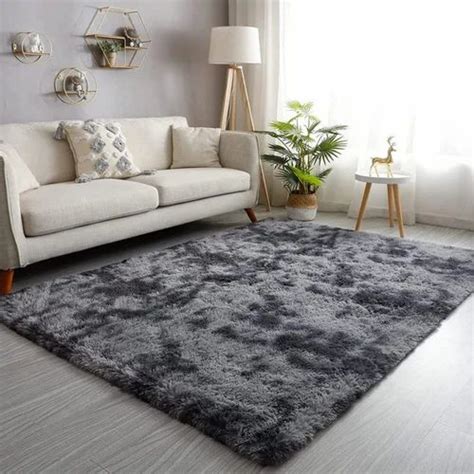
Darker, mottled, or mixed tonal colors hide wear and small stains better than very light, uniform colors. I picked a mid-tone neutral that matched my sofa and showed less pet hair.
7. Cleaning plan
Decide ahead how you will clean: frequent suction-only vacuuming, occasional professional deep cleaning, and spot cleaners that are safe for your fiber type. Avoid high-heat steam cleaning on some synthetic backings without checking manufacturer guidance.
8. Sustainability & warranty
In 2026 there are more recycled and low-VOC options. If environmental impact matters, check for recycled content, third-party certifications, and explicit low-VOC or low-offgassing statements. Also check the warranty for shedding and manufacturing defects.
Practical tips I learned the hard way
- I wish I'd bought a slightly thicker rug pad — it made the feel even plusher and reduced the initial shedding movement.
- Keep a grooming rake or stiff broom handy; regular raking fluffs the pile and pushes footprints back up.
- Set your robot vacuum's virtual boundaries or schedule it to avoid the shag area; it will save the robot's brushes and your fibers.
- For spot cleaning, blot first, then use a gentle detergent diluted in water. Avoid rubbing — it drives stains deeper.
- Use a humidifier in dry months to reduce static shocks — I cut static incidents by more than half after adding a small room humidifier.
Who should buy a shag carpet in 2026?
In my experience, a shag carpet is a great buy if you prioritize comfort, a cozy aesthetic, and improved acoustics in a living space where you're willing to invest time in maintenance. If you have a dedicated home theater, want a soft floor to sit on, or enjoy the tactile experience of a deep pile, I think a shag is worth it.
If you need low-effort cleaning, have a very active toddler, or rely entirely on robot vacuums for maintenance, a shag may be more work than you want. Also, if you're seeking the most sustainable or hypoallergenic option, a carefully chosen wool or certified recycled alternative may be a better fit than a cheap synthetic shag.
Conclusion
After six months of living with a shag carpet, I'm glad I bought it. I've been using it for lounging, working, and watching movies, and the comfort and acoustic benefits have been real and noticeable. What I found was a carpet that rewards a little extra care: regular suction-only vacuuming, periodic grooming, and attention to spills. I was surprised by how much it changed the room's sound and by the initial shedding period, and one thing that bothered me early on was the robot vacuum conflicts — but those were easy to solve by restricting the robot's access.
If you want plush comfort and a warmer, quieter room and are okay with higher maintenance, then yes — buying a shag carpet in 2026 can be a very satisfying choice. If you prefer minimal upkeep or depend on automated cleaning entirely, you might regret the extra work. In my experience the trade-offs are clear and manageable, and the cozy payoff has made my living room feel more like a place I want to spend time in every day.